Rabbit Health Information
Care guides and medical facts covering digestive disorders, parasites, everyday care, and common rabbit illnesses, written by experienced veterinarians.
Digestive Disorders
Rabbits have a very sensitive digestive system that can become seriously upset if the balance is disturbed. A rabbit that stops eating and/or has no droppings is considered an acute case requiring attention.
External Parasites
Articles cover mites, fleas, and other external parasites that commonly affect rabbits, including how they present and general management.
Everyday Care
Practical care advice for keeping rabbits healthy, including guidance related to vaccination and sterilization.
Pasteurellosis
Information on this bacterial infection in rabbits, a recurring topic in the fact bank's disease coverage.
Eye Diseases
Articles addressing eye conditions that can affect rabbits, alongside broader health topics.
Myxomatosis
Facts on this viral disease in rabbits, covered within the fact bank alongside internal parasites, neurological conditions, and ear infections.

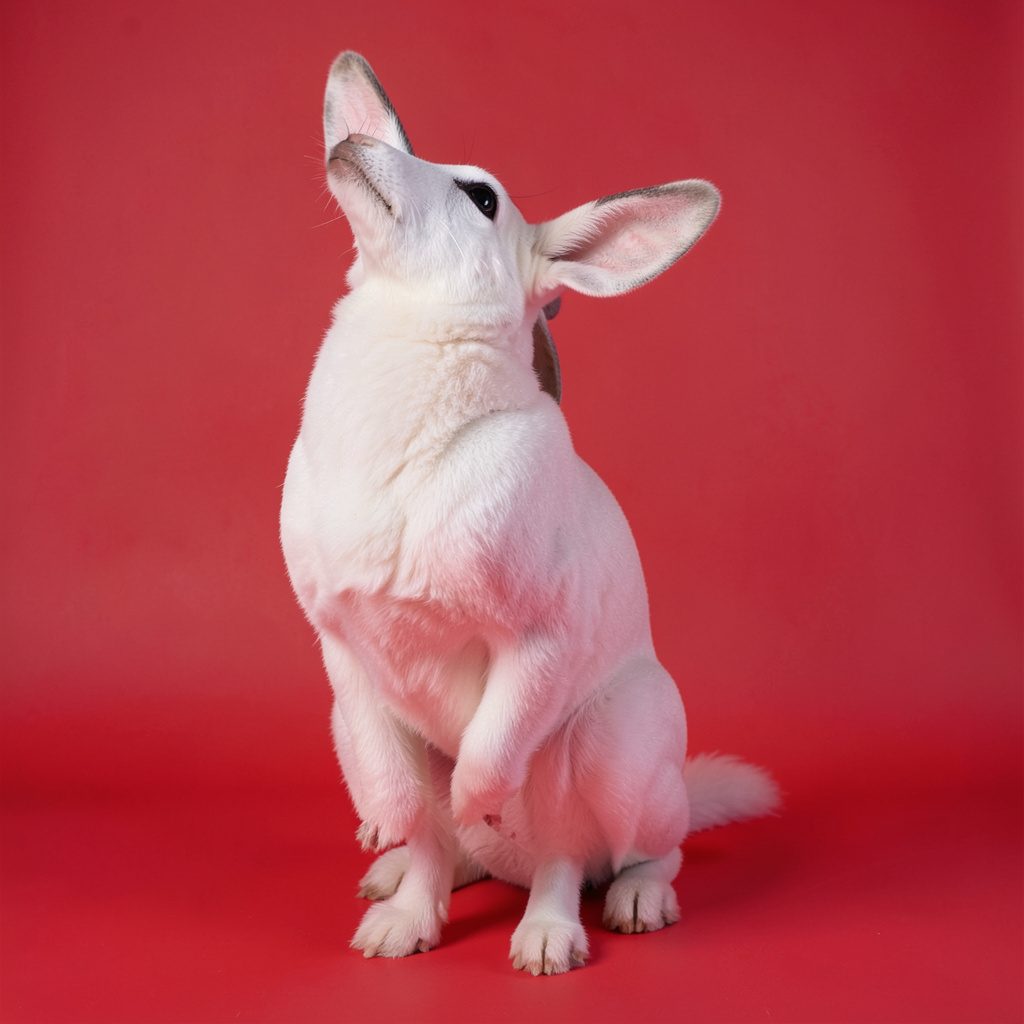
Also Covered
Beyond the main topics above, the rabbit section also includes material on abscesses (byller), giving pet owners and breeders a broader picture of conditions that can affect rabbits at different life stages.
All rabbit articles are part of the wider fact bank, which is organized by animal type and written by experienced veterinarians for free public reference.
A rabbit's digestive system is remarkably delicate, relying on a steady flow of high-fiber food and constant movement through the gut to stay in balance. When a rabbit suddenly stops eating or stops producing droppings, the situation can shift from minor concern to an urgent one very quickly. Because rabbits hide discomfort as a survival instinct, owners often notice a problem only after it has already progressed. Paying close attention to appetite, stool size, and overall energy helps catch warning signs early and gives a veterinarian the best chance to restore normal function before complications set in.
Beyond the digestive tract, rabbits are also vulnerable to a range of external parasites that can affect their skin, coat, and general comfort. Mites, fleas, and similar pests may cause scratching, flaky patches, hair loss, or restlessness, and some infestations can spread quickly in shared living spaces. Because rabbits groom themselves carefully, owners sometimes overlook the earliest signs of irritation. Regular handling, gentle coat checks, and clean housing go a long way toward prevention, while a prompt veterinary assessment ensures that any treatment chosen is safe and appropriate for the animal's size and species.
Day-to-day care plays a quiet but essential role in keeping rabbits healthy across every stage of life. A consistent routine of fresh hay, clean water, spacious housing, and gentle social interaction supports both physical wellness and emotional balance. Small habits matter: watching how a rabbit moves, noting any changes in breathing or posture, and keeping the living environment calm and dry all contribute to long-term wellbeing. Pairing attentive home care with regular check-ups and open communication with an experienced veterinarian creates a steady foundation for a rabbit to thrive.
Have a Question About Your Rabbit?
Submit a question to experienced veterinarians through the question box, or browse the full fact bank for more animal types.
Ask a Vet